Home / Featured Work / Generation Lab
Generation Lab
Built Generation Lab's entire product stack from zero — a tiered Stripe subscription system, AI-powered clinician portal, patient health reports, and the company's marketing site within 6 months.

A longevity biotech startup building tools that help clinicians and patients understand and act on complex health data. I joined as a software engineer and shipped their entire product surface — from the first line of revenue infrastructure to the AI-powered tools clinicians use every day.
Introduction
Generation Lab had deep clinical expertise and a compelling vision, but no consumer-facing product and no D2C revenue. I worked directly with the founders on a small team, owning features end-to-end across four distinct product areas: subscription infrastructure, a patient-facing health report, a clinician portal, and the company's public marketing site. In thirteen months, we went from zero to $100K+ in recurring revenue and a platform that real clinicians use to deliver faster, better care.
Challenge
Everything had to be built from scratch, in the right order, with no existing infrastructure to lean on. The subscription system couldn't just process payments — it needed to handle checkout, plan tiers, webhook reconciliation, and subscription lifecycle management reliably from day one, because failure meant lost revenue on a tight runway. The patient health report had to translate raw biomarker data — inherently complex and anxiety-inducing — into something a patient would actually read and understand well enough to take action. And the clinician portal needed AI-generated treatment plans that felt clinically credible, not generic. None of these problems had easy off-the-shelf answers, and all of them needed to ship fast.
Solution
Before any feature work began, I designed the core data schemas — subscription tiers, patient records, and biomarker data structures — and handed off a documented blueprint to the backend team. Getting alignment on the data model upfront eliminated a major source of back-and-forth and let backend development run in parallel with the frontend, compressing what would have been a sequential build into overlapping workstreams.
The subscription system was the first priority. I integrated the Stripe API end-to-end — tiered checkout flows, subscription management UI, webhook handling for payment events, and reconciliation logic — establishing the company's first D2C revenue stream and generating $100K+ in new revenue within six months.
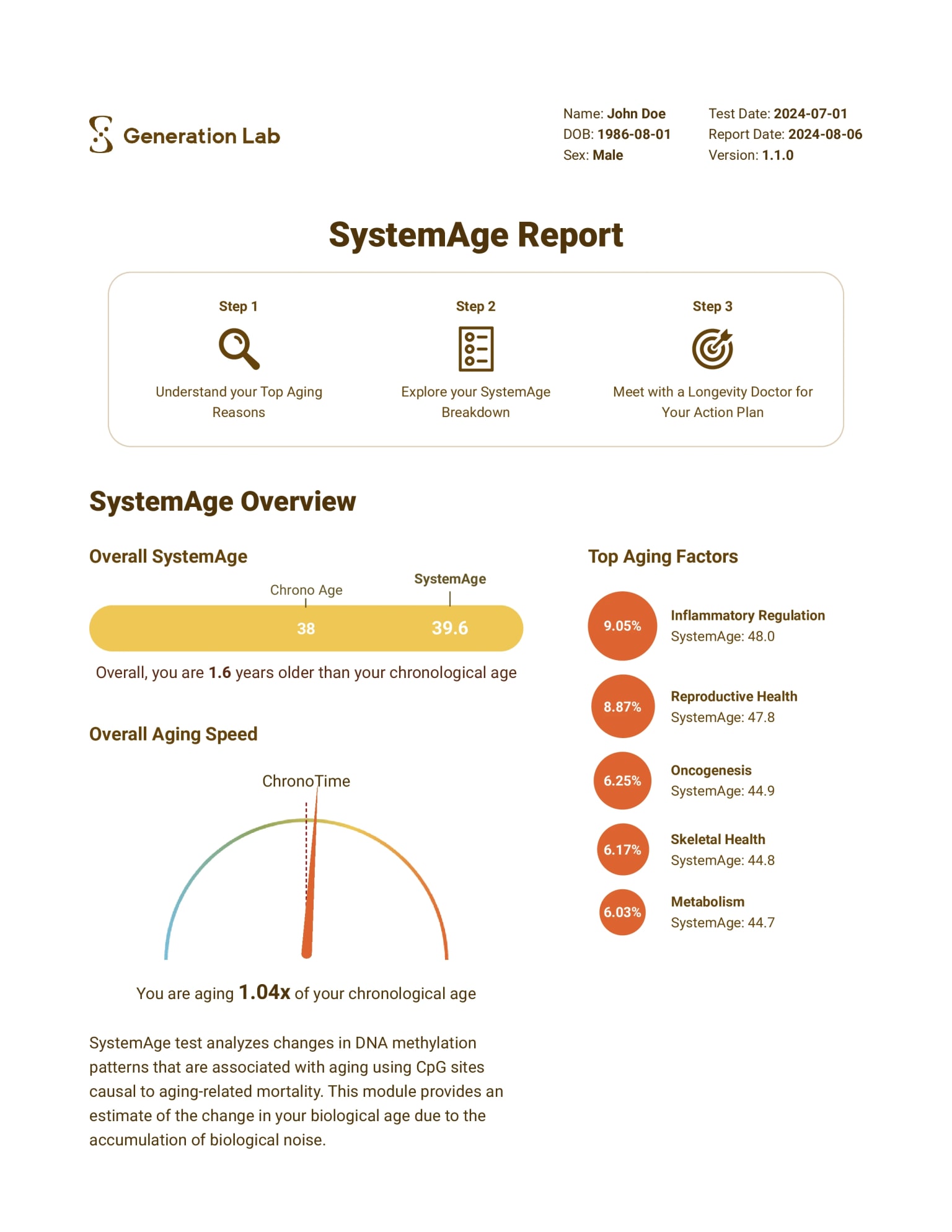
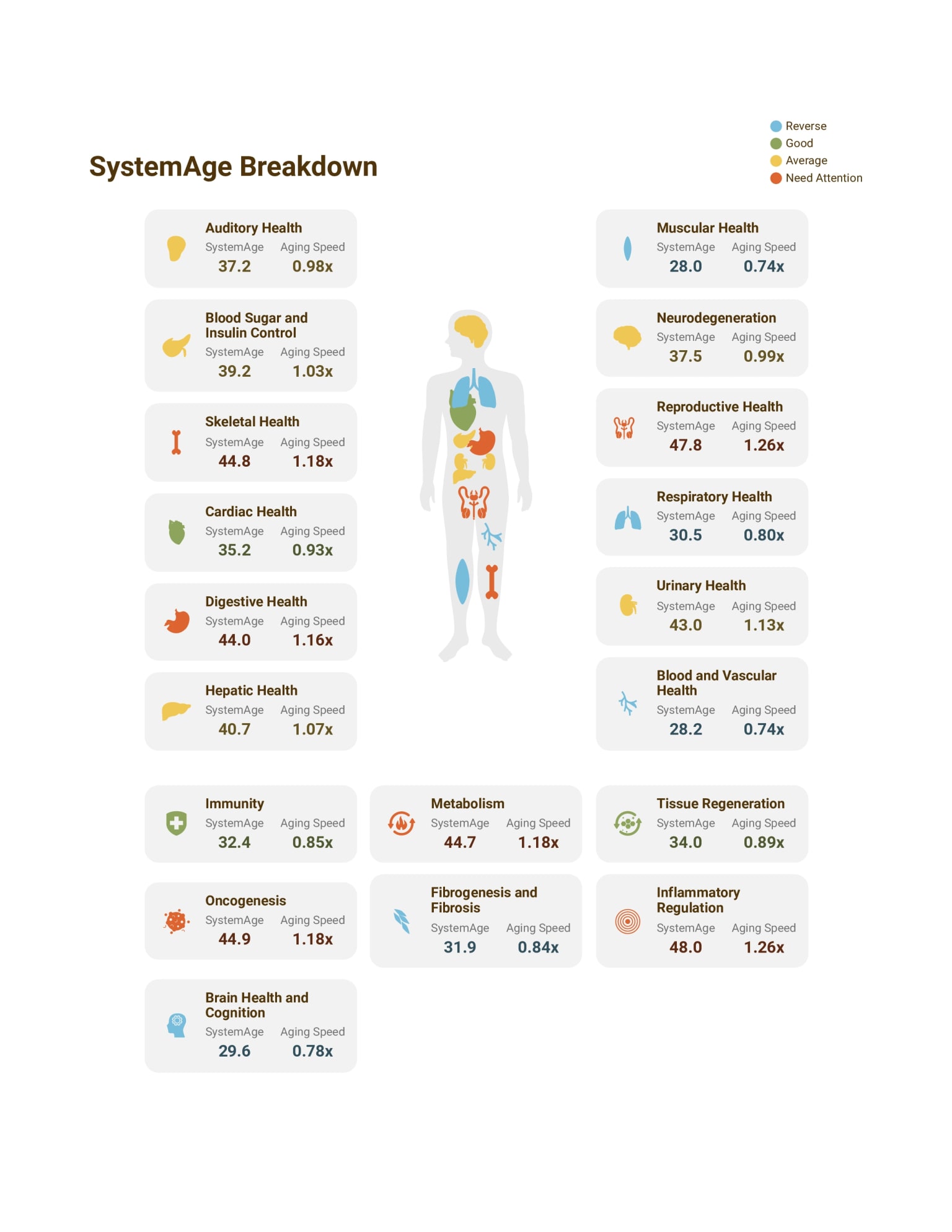
The SystemAge health report turned the most technically complex output into the most accessible interface. Using ChartJS, I translated biomarker measurements into visual timelines and comparisons that patients could read without a medical background. The design focus on progressive disclosure — show the headline number first, let patients drill in only if they want — drove a 50% increase in quarterly subscription retention.
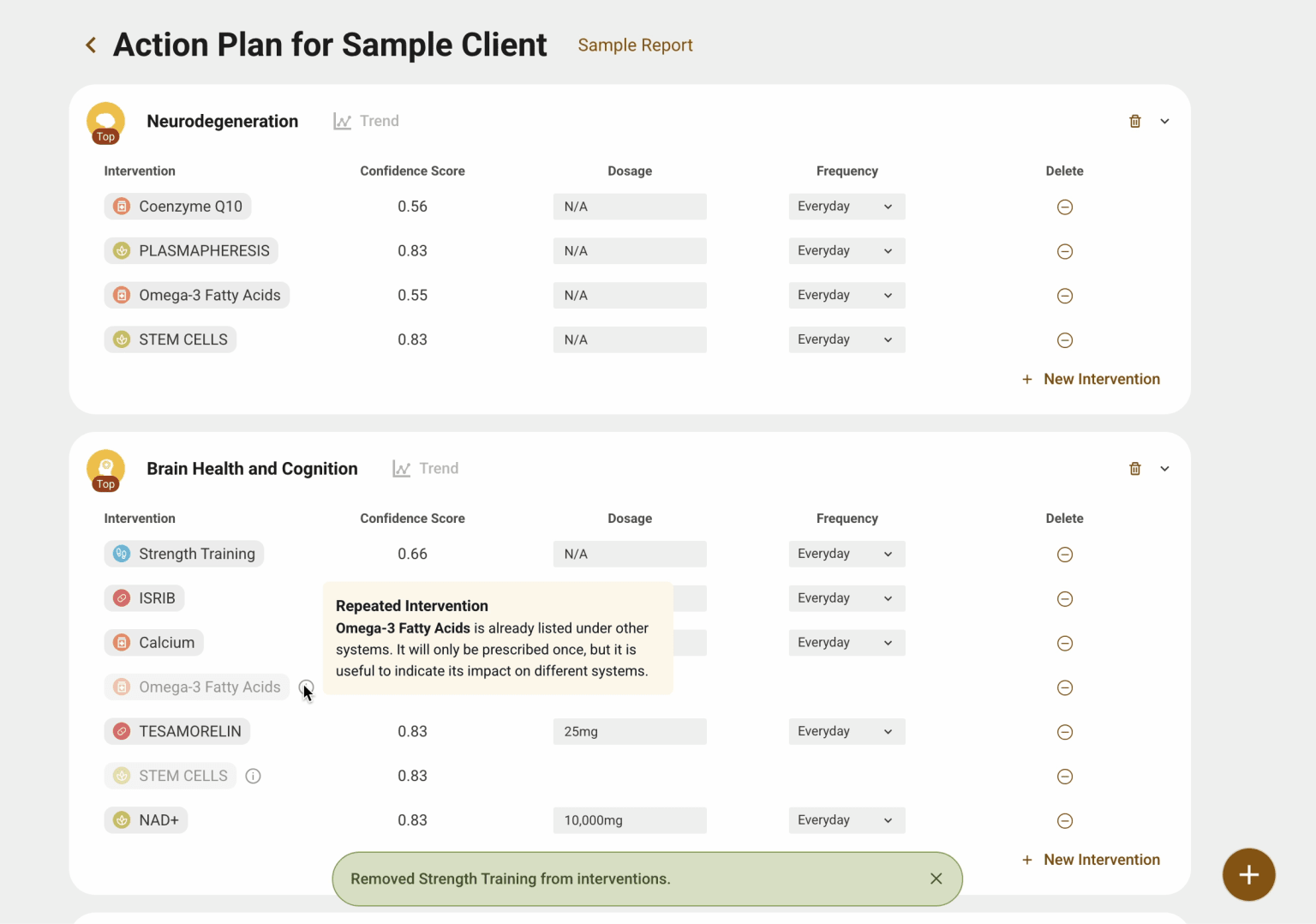
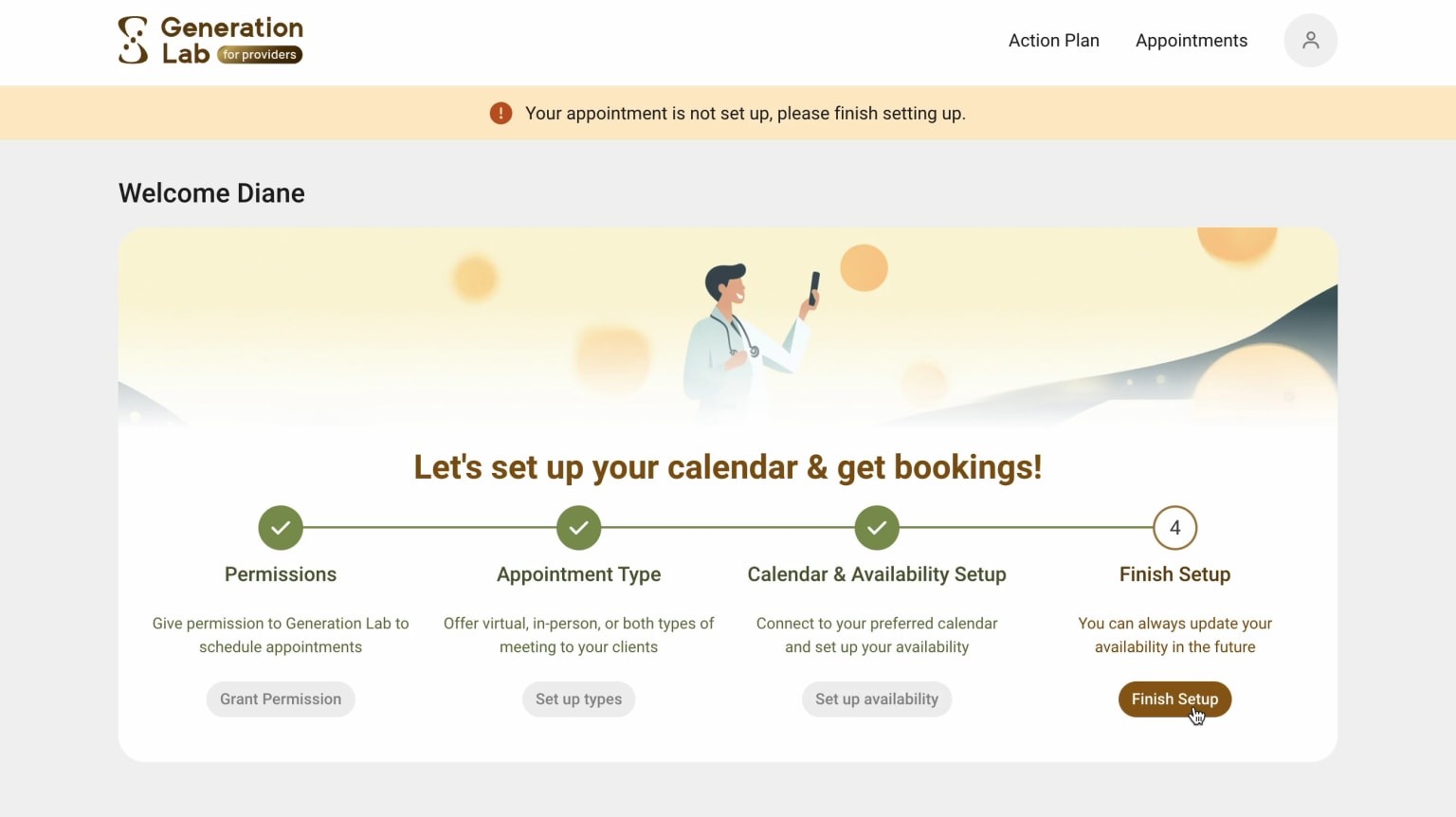
For the clinician portal, I built an AI-powered Action Plan Builder that combined structured clinical data with automated generation to produce personalized intervention plans. The goal was to eliminate the manual synthesis step that was the biggest time sink in a clinician's workflow — treatment plan creation went from a lengthy manual process to 5x faster with the AI-assisted tool. I also implemented an OAuth-based Zoom Scheduler workflow connecting patients with their clinicians directly from the portal, cutting appointment setup time in half.
Alongside all of this, I built and launched the company's Next.js marketing site with semantic markup and structured data for SEO — the acquisition channel that fed the subscription funnel.
Conclusion
This was the most end-to-end work I've done: revenue infrastructure, data visualization, AI-assisted tooling, and a public-facing acquisition channel all shipped on a small team with direct founder oversight. The biggest lesson was sequencing — getting the subscription system right before the health report, and the health report right before expanding the clinician portal, meant each layer had a solid foundation underneath it. If I were to revisit it, I'd invest earlier in the clinician onboarding experience; the Action Plan Builder was powerful, but new users needed more guidance to trust and adopt the AI-generated output. The metric I'm most proud of is the 50% retention increase from the health report — it means the product was clear enough that patients came back.